Wendy Garcia, a JUSD wellness coach, remembers seeing her impact in action on the Glen Avon Elementary School playground.
A student she had mentored used coping skills she had learned from Garcia to navigate a tricky social situation on her own.
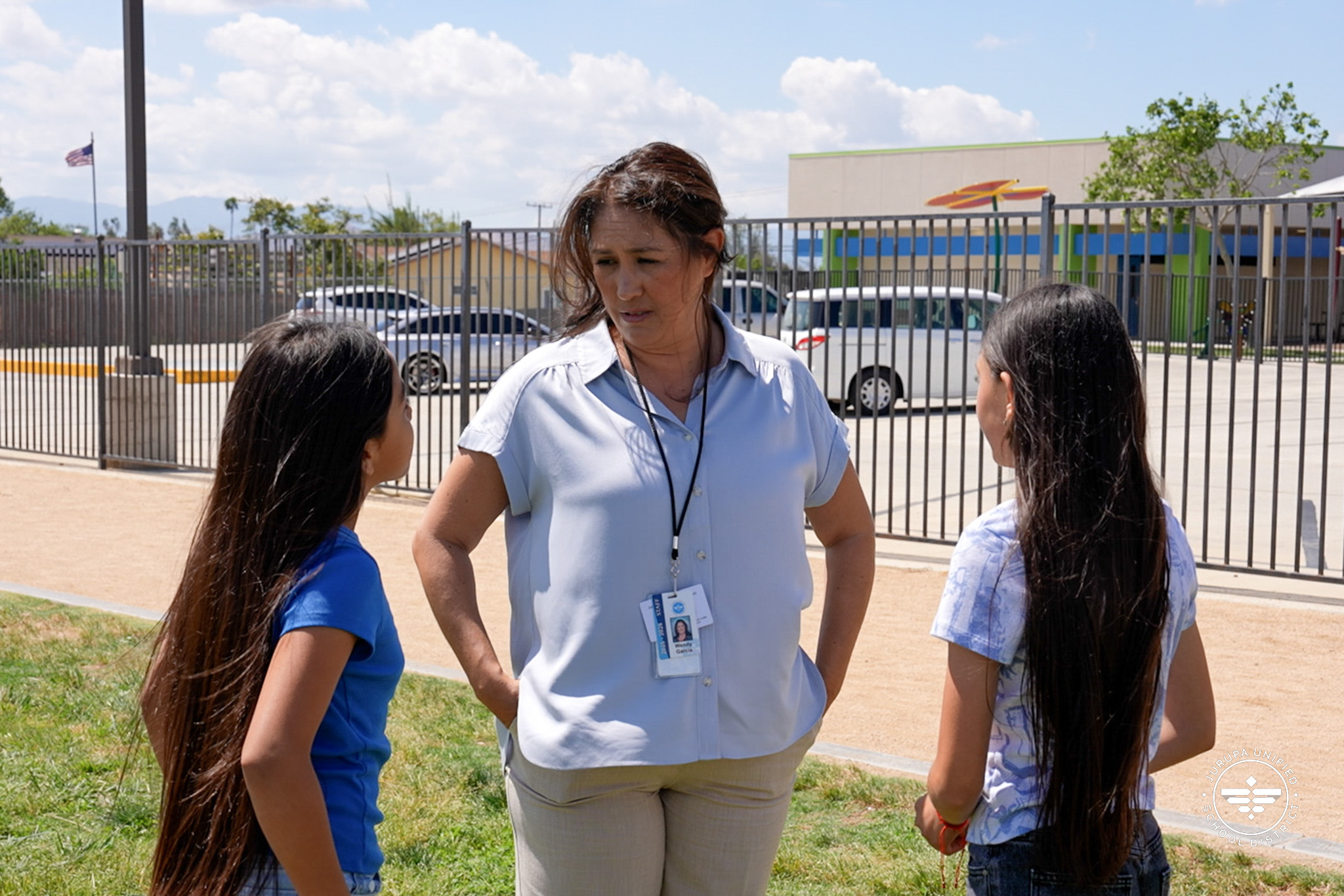
“She walked away. She did not get in trouble, and she knows that those strategies that she’s learning, they are working in her favor,” Ms. Garcia said. “That made her feel proud. It built up her confidence…that to me made my heart happy that she learned that, and she is going to use that for the rest of her life.”
JUSD now has 30 staff members certified as wellness coaches through a new California program. JUSD, an early adopter of the wellness coach model, is one of only five organizations statewide, and the only Southern California school district selected to participate in a case study on the efficacy of the program. JUSD’s Wellness Coach program also garnered the district a Blue Shield Blue Sky Award, which came with a $20,000 grant that will be reinvested into the program, said Jose Campos, Director of the Parent Involvement and Community Outreach (P.I.C.O.) Department.
Wellness coaches not only help students needing additional mentoring and support, but also help to head off problems before they start, Mr. Campos said. They work with students on how to identify feelings and learn self-regulation and coping skills; teach social skills, such as how to interact with peers on the playground; and give lessons on which behaviors are acceptable and which aren’t. Sometimes, they just provide a needed listening ear.
All services are offered confidentially, at no cost, at the student’s school site. Students who need additional support receive referrals for additional services. JUSD receives reimbursement for the cost of services from the state or private insurance through California’s Children and Youth Behavioral Health Initiative.
“We meet our students where they are. We meet our families where they are. They don’t have to worry about taking that trip, removing students from school to go get services. A lot of the support and services that students are able to receive are able to be done right at school during the school day,” said Monty Owens, Assistant Superintendent of Pupil Services.
While JUSD has been a leader in behavioral health for many years, services were often provided for students only after an issue arose.
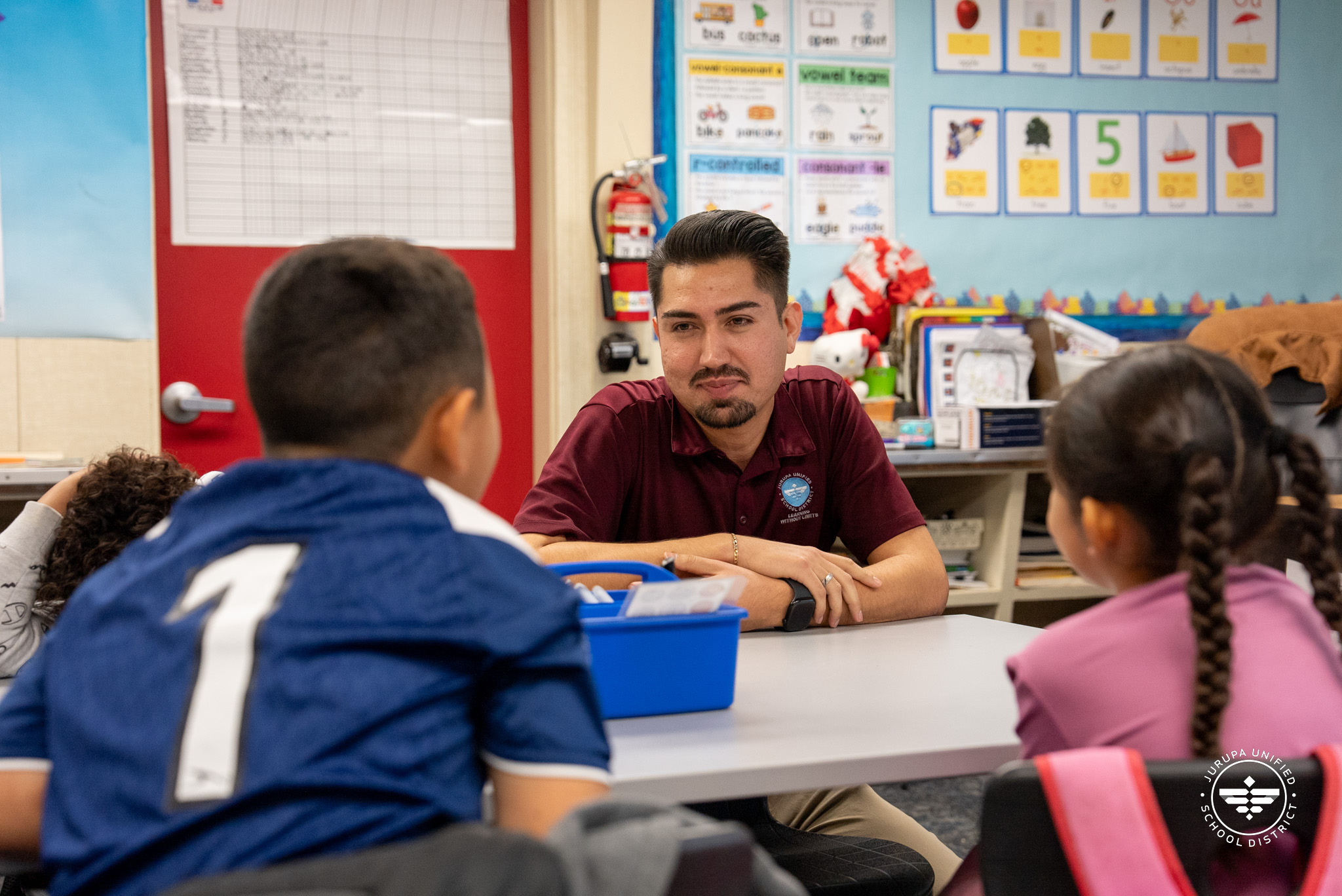
“The wellness coach basically addresses a gap,” Mr. Campos said, adding that previously, “a lot of the services were ready when we had issues with behavior or issues with just coping…Wellness coaches now allow us to be preventative.”
“It was intended to really open up behavioral health services, where perhaps students and their families sometimes need a lighter touch, rather than something more in-depth under our behavioral health program. It helps us provide an array of services.“It just adds another layer of support before there’s an issue. That’s the game changer. Holistically, it’s changing our environment when we have these preventative supports.”
Wellness coaches can have a wide range of job descriptions, with the requirements being that they have an associate or bachelor’s degree, experience working with students, and complete the state certification process. JUSD also provides ongoing training. JUSD’s wellness coaches include teachers on special assignment, outreach workers, and behavioral health peer specialists.
“It’s very important that there's someone like me out there taking the time to see what is happening and figuring out how to support students,” noted Wellness Coach and Behavioral Health Peer Specialist Tomas Sandoval.
The program is making a difference, Mr. Owens said.
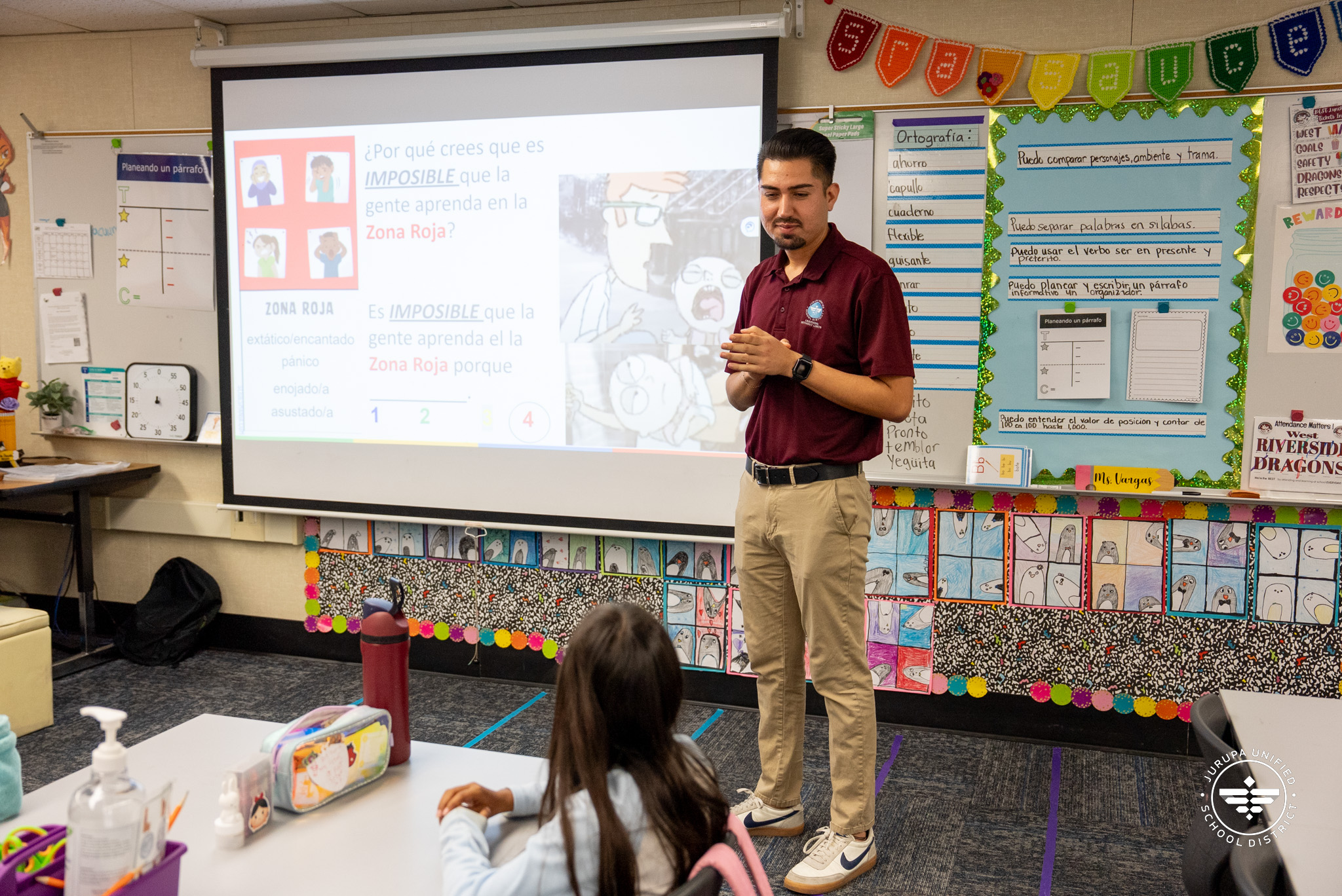
“We see the impact it's having on students. We see…it’s improving our attendance, it’s helping address some of our (social-emotional) concerns and needs that our students are bringing, and our families have gone from having that stigma of behavioral health…to seeking it out.”
Most importantly, wellness coaches help remove obstacles that can impede learning.
“The wellness coach role is a system of support,” Mr. Owens said. “It supports our students to remove those barriers that are going to get in the way, that are preventing students from coming with a fresh mind, a healthy body to be able to learn and pick up that curriculum that they’re going to need to be able to Learn Without Limits.”